“Premium NFT Art: The Future of Digital Collectibles & Metadata-Driven Collections”
“Premium NFT Art: The Future of Digital Collectibles & Metadata-Driven Collections”
Introduction to Premium NFT Art
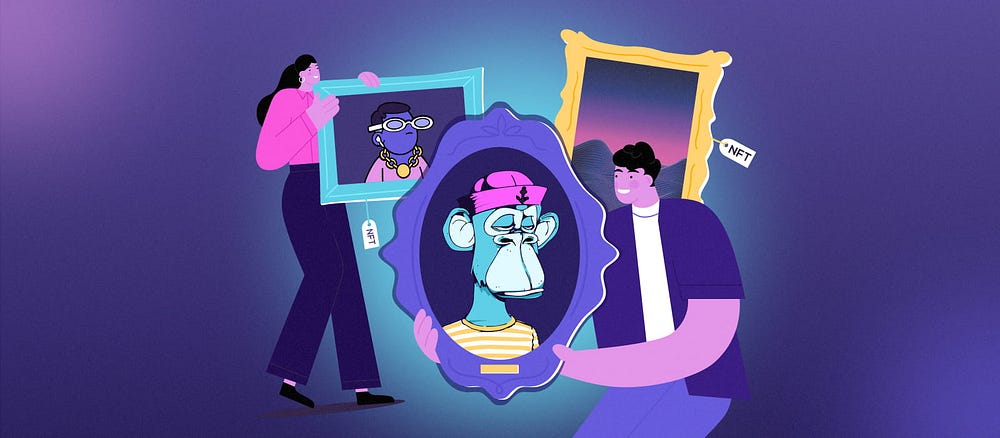
Non-Fungible Tokens (NFTs) have revolutionized the art world, creating new opportunities for artists, collectors, and investors. Premium NFT art, in particular, has gained prominence as digital artworks are now being recognized as valuable assets, much like traditional paintings and sculptures. This article explores the evolution of premium NFT art, its significance, and how metadata plays a crucial role in defining rarity and value within NFT collections.
I Will Design Your Premium NFT Art And Generate Collection With Metadata
The Rise of NFT Art
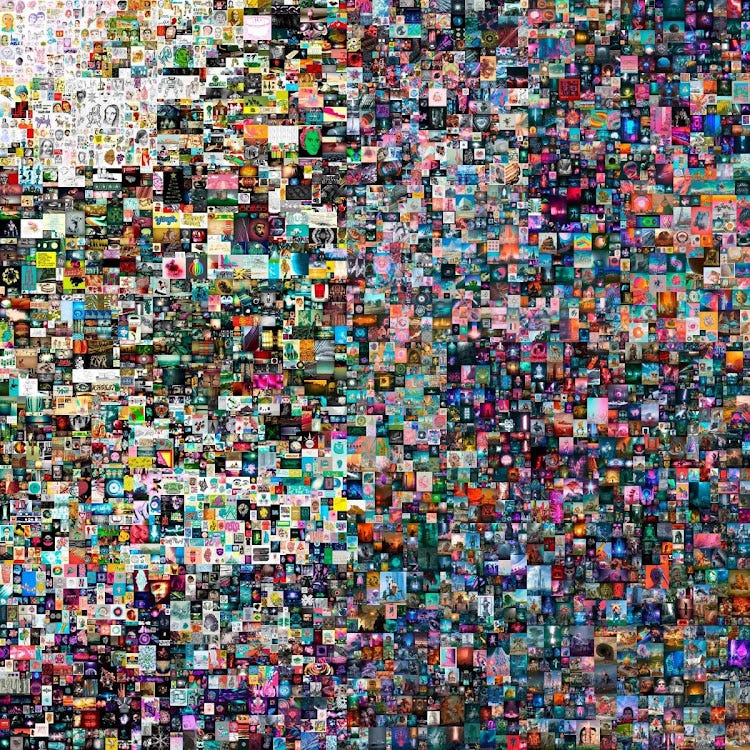
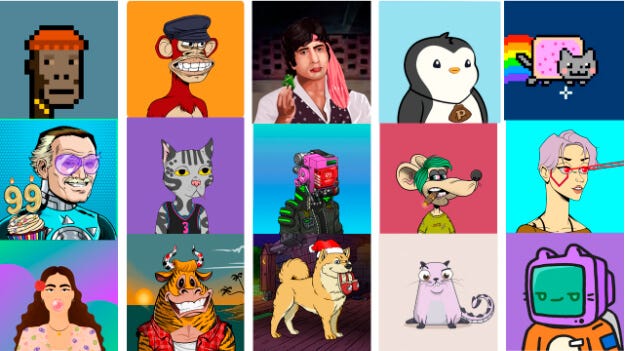
NFTs emerged as a response to the need for digital ownership and provenance in art. Unlike traditional digital files that can be copied infinitely, NFTs are unique, verifiable assets stored on the blockchain. The first significant NFT project, CryptoPunks, paved the way for a broader NFT market, followed by Beeple’s $69 million digital artwork sale at Christie’s, solidifying NFT art’s credibility.
I Will Design Your Premium NFT Art And Generate Collection With Metadata
What Makes NFT Art Premium?
Several factors determine the premium status of an NFT artwork:
- Artist Reputation: Works from established digital artists or those with strong followings gain higher value.
- Scarcity and Rarity: Limited editions and one-of-a-kind (1/1) pieces are more desirable.
- Innovative Technology: AI-generated art, interactive NFTs, and AR/VR compatibility increase the value of an NFT.
- Community and Utility: Access to exclusive events, collaborations, or real-world benefits adds appeal.
- Provenance and Authenticity: Verified ownership history and blockchain transparency enhance the credibility of an NFT.
I Will Design Your Premium NFT Art And Generate Collection With Metadata
NFT Collections and Metadata
What is Metadata in NFT Collections?
NFT metadata is a set of information that describes the properties and attributes of an NFT. It usually includes:
- Title and Description — Basic details about the artwork.
- Image or Animation URL — Links to hosted digital assets.
- Traits and Attributes — Unique characteristics such as background, color scheme, rarity levels, etc.
- Creator Information — Details about the artist and smart contract specifics.
- Blockchain Data — Token ID, minting date, and ownership history.
I Will Design Your Premium NFT Art And Generate Collection With Metadata
How Metadata Defines Rarity
Premium NFT collections categorize assets into different levels of rarity based on metadata attributes. Examples include:
- Common: Frequently occurring traits in the collection.
- Rare: Unique features appearing in a small percentage of the NFTs.
- Legendary: One-of-a-kind attributes that make certain NFTs highly valuable.
Generating a Premium NFT Collection with Metadata
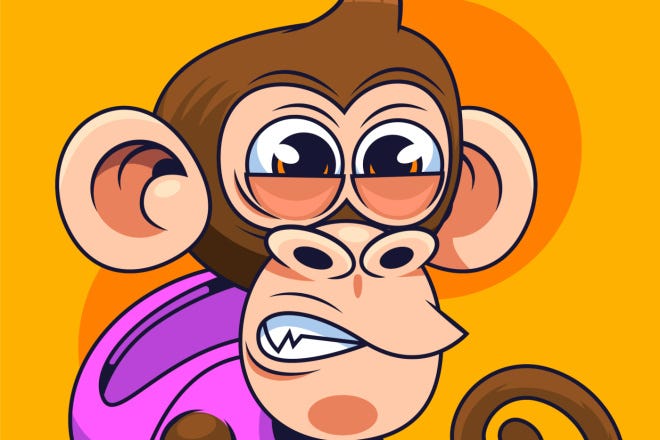
I Will Design Your Premium NFT Art And Generate Collection With Metadata
Step 1: Conceptualizing the Collection
Before launching an NFT collection, defining a unique theme is crucial. Examples of successful premium NFT collections include:
- Cybernetic Avatars: AI-inspired human-robot hybrid designs.
- Surreal Dreamscapes: Digital paintings of fantasy worlds.
- Futuristic Fashion NFTs: Wearable digital fashion integrated with AR.
Step 2: Creating Digital Assets
Artists use software like Adobe Photoshop, Blender, or generative AI tools to produce high-quality digital assets. Layers and variables are designed to ensure each NFT is unique yet part of a cohesive series.
Step 3: Encoding Metadata
Metadata for each NFT is structured in a JSON format and typically includes:
{ "name": "Ethereal Dream #001", "description": "A surreal dreamscape from the Ethereal Dream Collection.", "image": "ipfs://QmExampleHash", "attributes": [ {"trait_type": "Background", "value": "Nebula Blue"}, {"trait_type": "Lighting", "value": "Soft Glow"}, {"trait_type": "Special Feature", "value": "Glowing Eyes"}, {"trait_type": "Rarity", "value": "Legendary"} ]}This metadata is stored on decentralized file storage systems such as IPFS (InterPlanetary File System) to ensure permanence and accessibility.
Step 4: Minting the NFTs
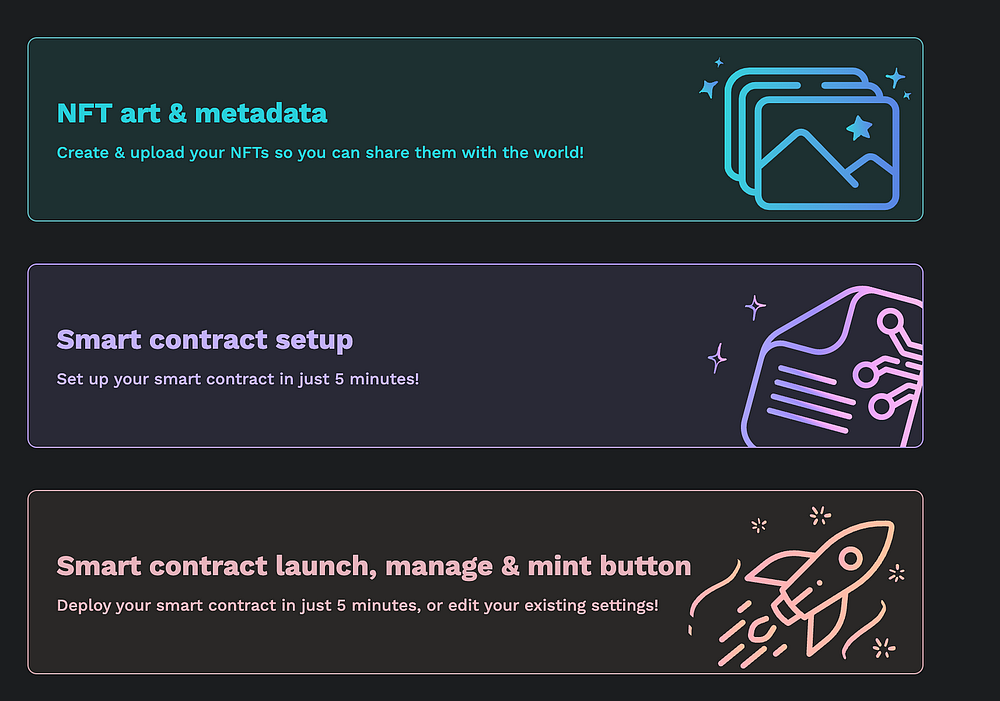
Once the digital assets and metadata are ready, they are minted as NFTs on a blockchain (Ethereum, Solana, or Polygon). Smart contracts define ownership, royalties, and transaction mechanisms.
Step 5: Launch and Marketing
Successful NFT drops involve:
- Community Engagement: Building a strong Discord or Twitter following.
- Collaborations: Partnering with other artists, brands, or influencers.
- Whitelist and Presales: Offering early access to loyal supporters.
- Marketplaces: Listing on OpenSea, Rarible, or Foundation for better exposure.
The Future of Premium NFT Art
Metaverse and Virtual Galleries
Premium NFT art is becoming integral to the metaverse, with virtual galleries and exhibitions allowing collectors to showcase their digital assets in immersive environments.
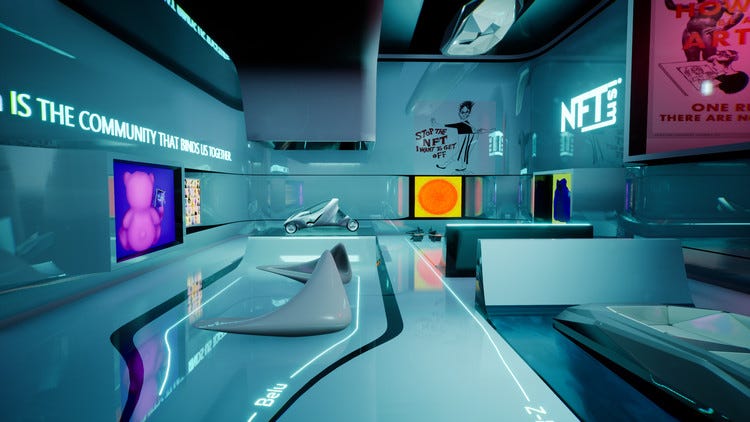
I Will Design Your Premium NFT Art And Generate Collection With Metadata
AI and Generative Art
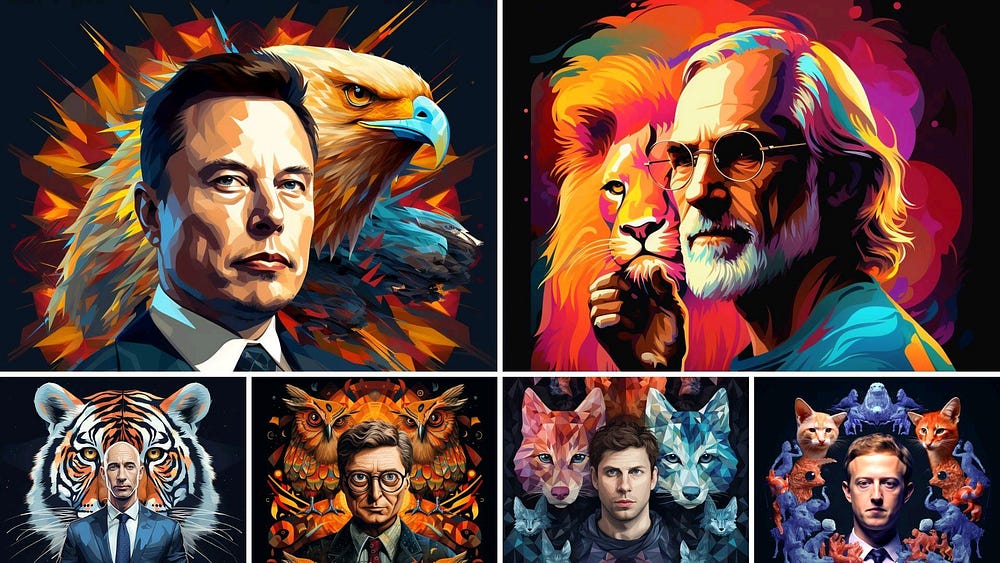
The rise of AI-generated NFTs enables artists to create expansive collections where each piece is algorithmically unique, adding depth and complexity to NFT ownership.
Real-World Integration
Luxury brands and artists are bridging physical and digital realms by offering redeemable physical artworks or experiences linked to NFT ownership.
I Will Design Your Premium NFT Art And Generate Collection With Metadata
Conclusion
Premium NFT art is more than just digital imagery — it represents a fusion of technology, culture, and economics. As the NFT space evolves, innovations in metadata structuring, blockchain authentication, and artistic creativity will continue to shape the future of digital collectibles. With a strategic approach to rarity, smart contracts, and market positioning, NFT creators and collectors can thrive in this exciting digital frontier.


Comments
Post a Comment