“Mastering Album Cover Design: Key Elements to Elevate Your Music Brand”
“Mastering Album Cover Design: Key Elements to Elevate Your Music Brand”
Introduction
In the music industry, the album cover is more than just a piece of artwork — it’s a vital aspect of your branding, a reflection of your music, and a visual representation of your unique sound. A well-designed album cover can capture the attention of listeners, make a strong first impression, and even drive sales and streaming numbers.
With the shift towards digital music, the album cover is now often the first interaction a potential listener will have with your work. Whether you’re an independent artist or part of a larger label, understanding how to design an album cover that resonates with your audience is key to your success. This guide explores the importance of album covers, the elements to consider when designing one, and how to create a visually stunning cover that aligns with your brand.

Mastering Album Cover Design : Budget Friendly solution
Why is an Album Cover Important?
The album cover serves multiple purposes, each crucial in the music business:
- Brand Identity: An album cover reflects your identity as an artist and communicates your style and genre. It gives listeners a glimpse of what they can expect from your music and helps you stand out in a crowded marketplace.
- Marketing Tool: Album covers are often used in promotional materials, such as posters, social media posts, and advertisements. A strong cover image can increase visibility and make your album more memorable.
- Visual Representation of Music: Your album cover should be a visual representation of the mood and theme of your music. It’s your opportunity to convey emotions and create intrigue.
- Helps with Discovery: In the era of digital music, listeners often discover new music through platforms like Spotify, Apple Music, and YouTube. A striking album cover can make someone stop scrolling and hit play, thus increasing streams and potential sales.
- Physical Sales: Although digital music has taken over, vinyl and CD sales are still popular among collectors. A well-crafted physical album cover can attract buyers, particularly in the age of retro music formats.
Mastering Album Cover Design : Budget Friendly solution
Elements of an Album Cover
Designing an album cover isn’t just about creating something visually appealing — it’s about combining key elements that speak to the music, the artist, and the intended audience.

1. Typography
The typography used on your album cover is crucial for establishing your brand. It should be legible, visually appealing, and complement the overall aesthetic. Some tips for selecting the right typography:
- Font Choice: Choose fonts that align with your genre. For example, bold, sharp fonts might work for rock or heavy metal albums, while delicate, cursive fonts may be more appropriate for indie or folk music.
- Readability: Ensure the text is readable, even at smaller sizes. Your artist name and album title should be easy to identify.
- Hierarchy: Establish a clear hierarchy between the artist’s name, album title, and other text elements.
Mastering Album Cover Design : Budget Friendly solution
2. Imagery
The imagery on your album cover should reflect the tone and style of your music. Here are a few key considerations:
- Visual Metaphors: Use imagery that complements the themes or emotions conveyed in your music. For example, a melancholic album might feature dark, moody imagery, while an upbeat album might have vibrant colors and lively imagery.
- Consistency: Make sure the imagery aligns with your overall brand. If you’ve used a particular style of photography or graphic design for past releases, you may want to continue that trend to create a recognizable look.
- Symbolism: Symbolism is often used in album covers to convey deeper meanings. Think about what your album stands for and how you can visually represent that.
3. Color Palette
The colors you choose for your album cover are extremely important. Colors evoke emotions and can help set the tone for your music:
- Warm Colors (Red, Orange, Yellow): These colors are associated with energy, passion, and excitement. They’re often used for upbeat, energetic genres like pop, dance, and rock.
- Cool Colors (Blue, Green, Purple): These colors create a sense of calm, mystery, or sadness. They work well for genres like jazz, indie, and electronic music.
- Monochromatic Schemes: For a minimalist approach, you can stick to a single color palette, using various shades and tints of one color to create depth.
Mastering Album Cover Design : Budget Friendly solution
4. Composition and Layout
Good composition ensures that all elements of the album cover work together harmoniously. Pay attention to the following:
- Balance: Distribute visual elements evenly across the cover to avoid cluttering or overwhelming the viewer.
- Focal Point: Ensure there’s a clear focal point that draws the viewer’s eye, whether that’s the artist’s name, album title, or a central image.
- Spacing: Leave enough breathing room between design elements so that the cover doesn’t feel overcrowded.
5. Artwork Style
The style of artwork you choose should reflect your personality as an artist and resonate with your target audience:
- Photography: Photographic covers are often used for more serious, artistic albums. High-quality, professional photos can create a strong visual impact.
- Illustrations/Graphics: If you’re going for a more abstract or playful design, custom illustrations and graphics can add a unique touch to your cover.
- Collage: A collage-style cover can be fun and creative, combining various elements that represent different facets of your album.
- Minimalist: A minimalist design often features simple shapes, limited text, and an emphasis on color and composition. This approach can be highly effective for modern and clean designs.
6. Format and Dimensions
Your album cover needs to be designed in specific dimensions, particularly for digital distribution. Most streaming platforms require a 3000x3000-pixel image with a 1:1 aspect ratio. This ensures that your album cover looks sharp and clear on all devices.
For physical albums, be mindful of the dimensions of vinyl records or CDs. Each format will require specific sizing and considerations for how the cover folds or wraps around the packaging.
Mastering Album Cover Design : Budget Friendly solution
Steps for Designing an Album Cover

Mastering Album Cover Design : Budget Friendly solution
Step 1: Define the Concept
Before diving into the design process, define the concept for your album cover. Ask yourself questions like:
- What is the overall mood or theme of the album?
- Who is your target audience?
- How do you want people to feel when they look at the cover?
Step 2: Sketch and Plan
Start sketching out ideas and compositions. Think about how the text will fit with the imagery, and experiment with different layouts and designs.
Step 3: Select the Right Tools
Use design software to bring your ideas to life. Popular tools include:
- Adobe Photoshop: For photo manipulation and intricate design work.
- Adobe Illustrator: Great for vector-based designs and illustrations.
- Canva: An easier-to-use tool for beginners with pre-made templates.
- Procreate: A favorite for artists who prefer drawing directly on a tablet.
Step 4: Create the Design
Now that you’ve planned and selected your tools, begin designing. Start with the background, then add layers of images, text, and other elements. Don’t forget to play around with color schemes and effects to create a visually stunning design.
Step 5: Get Feedback
Once you’ve created a rough draft of your album cover, get feedback from others. Ask for input from friends, fellow artists, or fans to see if your design resonates with them.
Step 6: Finalize and Optimize
After refining the design, finalize your album cover. Make sure it’s optimized for both digital and print formats, paying attention to dimensions, resolution, and color profiles.
Step 7: Upload and Promote
Once your album cover is ready, upload it to your music platforms and start promoting it. Use it on your social media accounts, website, and promotional materials to help spread the word about your music.
Trends in Album Cover Design
In recent years, album cover designs have evolved to reflect changes in technology, culture, and the music industry itself. Here are some current trends in album cover design:
- Abstract and Minimalist Designs: Simple designs focusing on minimalism and color blocking are gaining popularity, especially in the electronic and indie music scenes.
- Vintage & Retro Aesthetic: Nostalgic designs that pay homage to past eras, particularly the ’80s and ’90s, are making a comeback, especially in genres like synthwave and lo-fi.
- Photography with Mixed Media: Combining photography with other artistic elements, such as hand-drawn illustrations or digital manipulation, adds a dynamic feel to album covers.
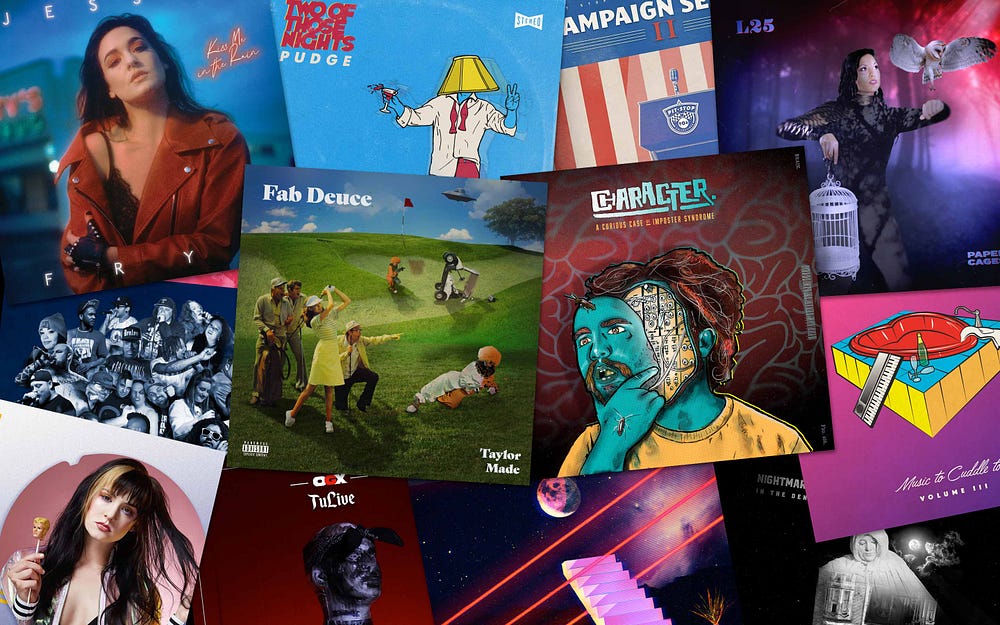
Mastering Album Cover Design : Budget Friendly solution
Conclusion
Designing an album cover is both an art and a science. It’s not only about making something visually appealing but also about telling a story that aligns with your music and brand. By understanding the key elements of design and the steps involved in creating a memorable album cover, you can give your music the visual presence it deserves.
Whether you’re a seasoned artist or just starting out, investing time and effort into your album cover design is a crucial part of your promotional strategy. Your cover should grab attention, evoke emotion, and ultimately connect with your audience on a deeper level.
By following the steps outlined in this guide, you’ll be well on your way to creating an album cover that stands out in the competitive music industry and helps promote your business effectively.


Comments
Post a Comment